

Golf Day 2026
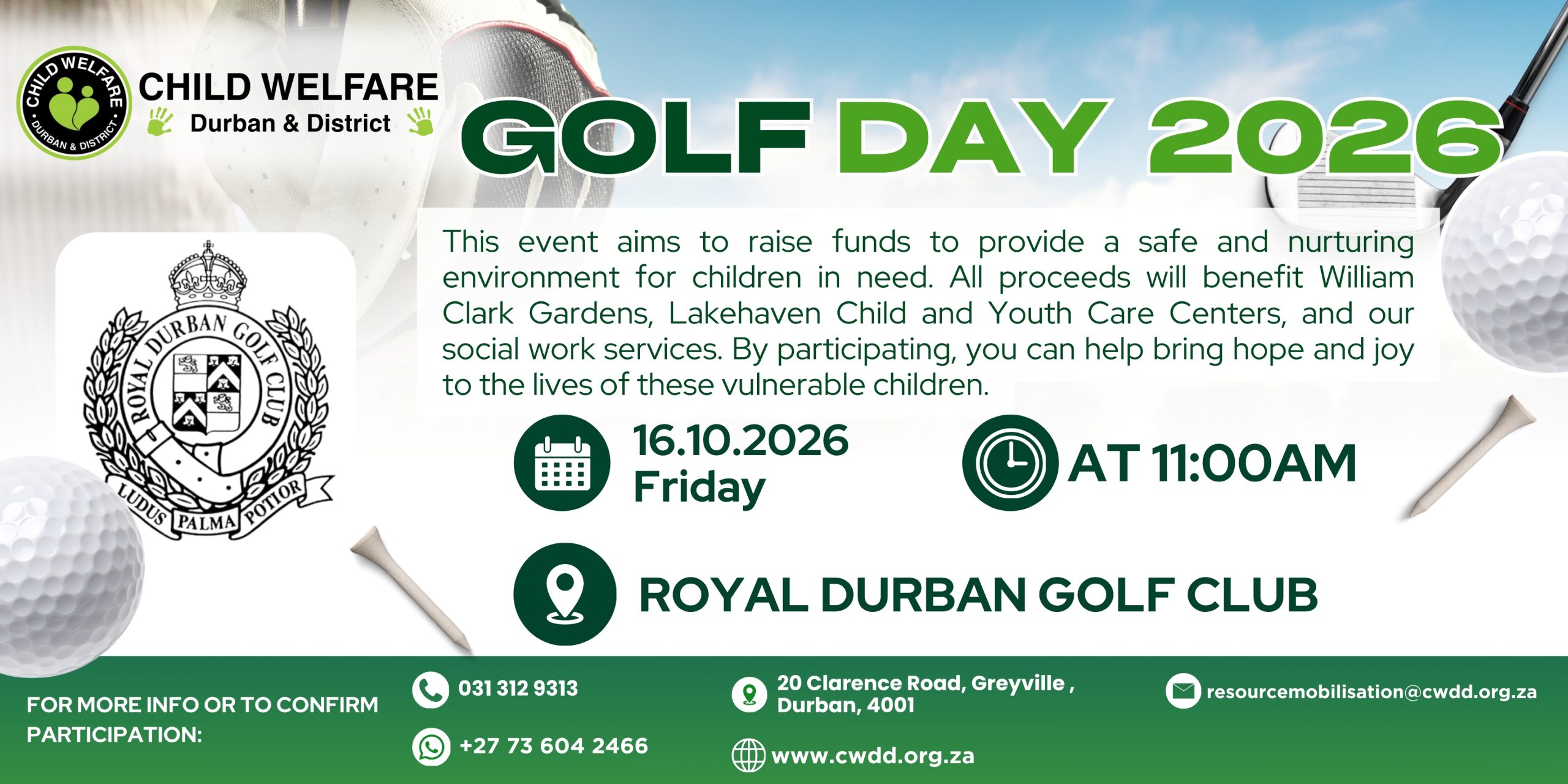
This event aims to raise funds to provide a safe and nurturing environment for children in need. All proceeds will benefit William Clark Gardens, Lakehaven Child and Youth Care Centers, and our social work services. By participating, you can help bring hope and joy to the lives of these vulnerable children.
ANNUAL GENERAL MEETING 2026
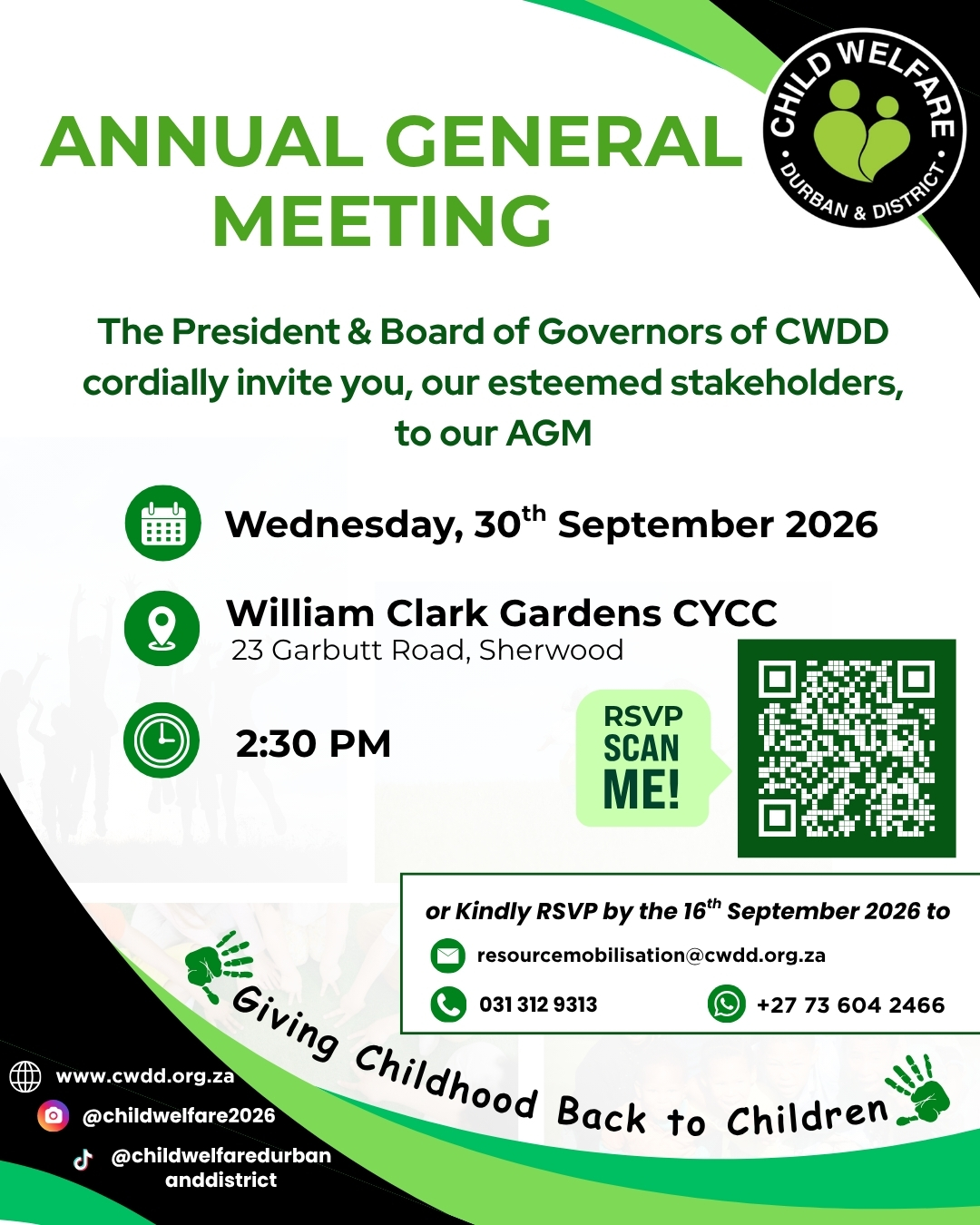
Join Us for the CWDD 2026 Annual General Meeting
The President and Board of Governors of Child Welfare Durban & District (CWDD) cordially invite our esteemed stakeholders to our upcoming Annual General Meeting. As detailed in the AGM Invitation 2026_2.jpg, this event is a key opportunity to gather as a community dedicated to giving childhood back to children.
Event Details
Date: Wednesday, 30 September 2026
Time: 02:30 PM
Location: William Clark Gardens CYCC, 23 Garbutt Road, Sherwood
What to Expect
The meeting will be opened by our President, Prof. TD Chetty, and will feature a comprehensive review of the past year’s organisational and financial performance.
Following the closure of the meeting, all attendees are warmly invited to join the Board and staff for refreshments.
RSVP Information
Please refer to the AGM Invitation to scan the RSVP QR code, or kindly confirm your attendance by Wednesday, 16 September 2026. You can reach out via email at resourcemobilisation@cwdd.org.za, or by contacting us at 031 312 9313 or WhatsApp at +27 73 604 2466.
RADIOTHON 2026 (In partnership with HINDVANI FM)
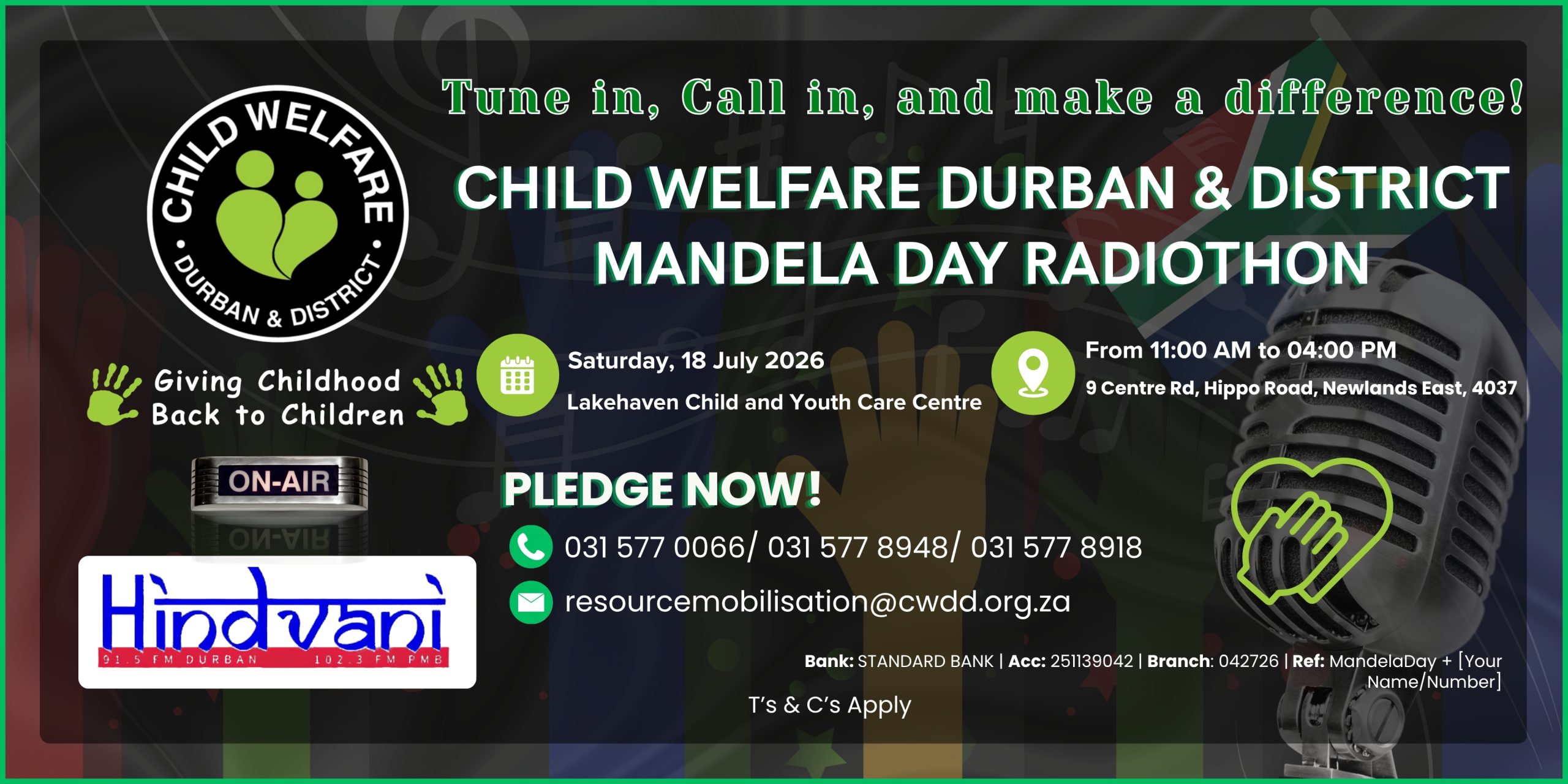
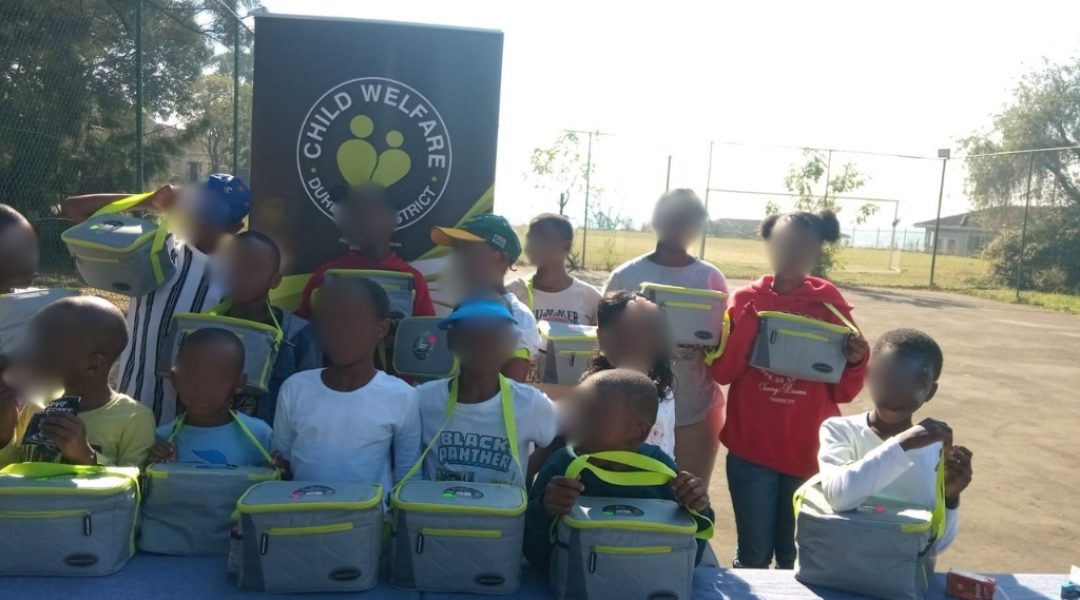
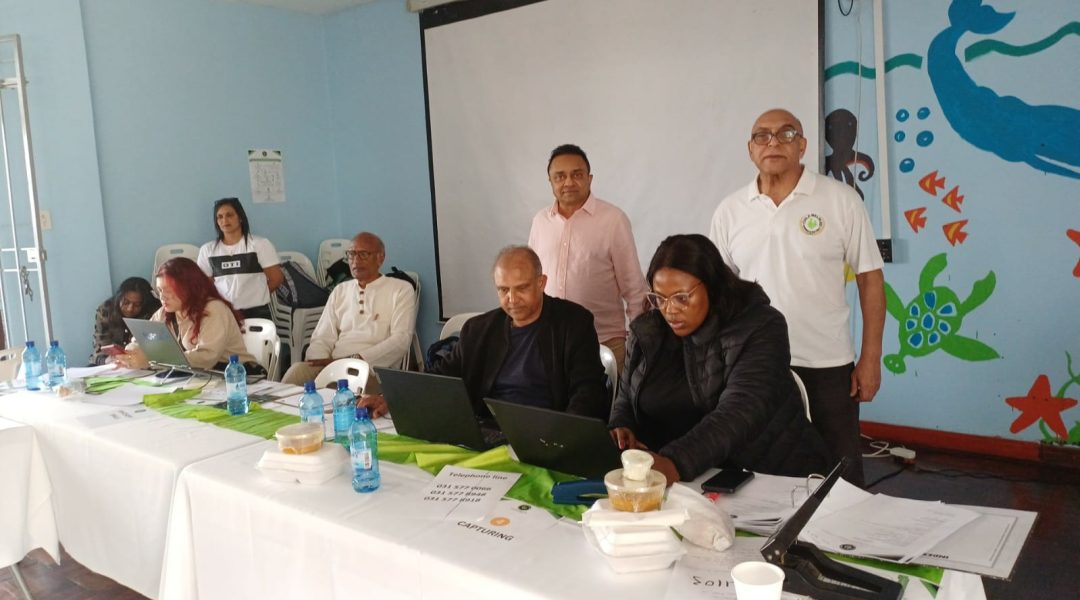
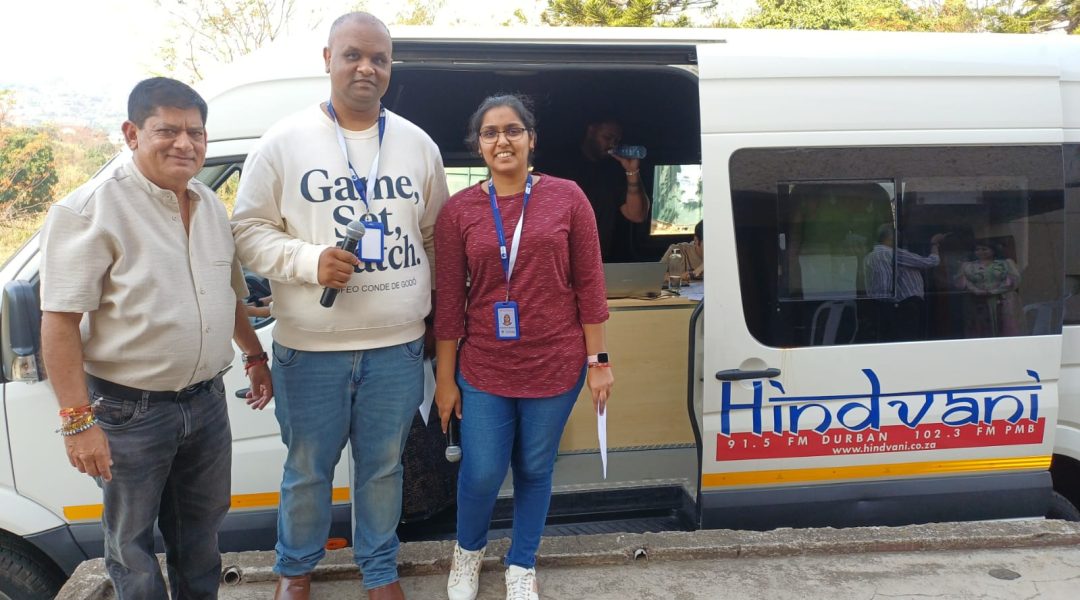
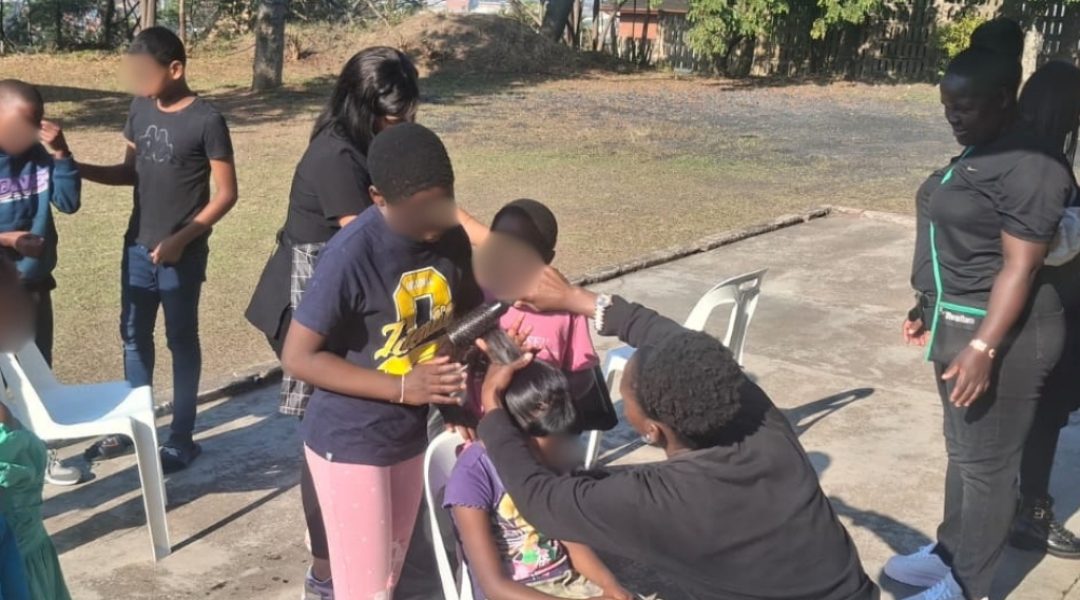
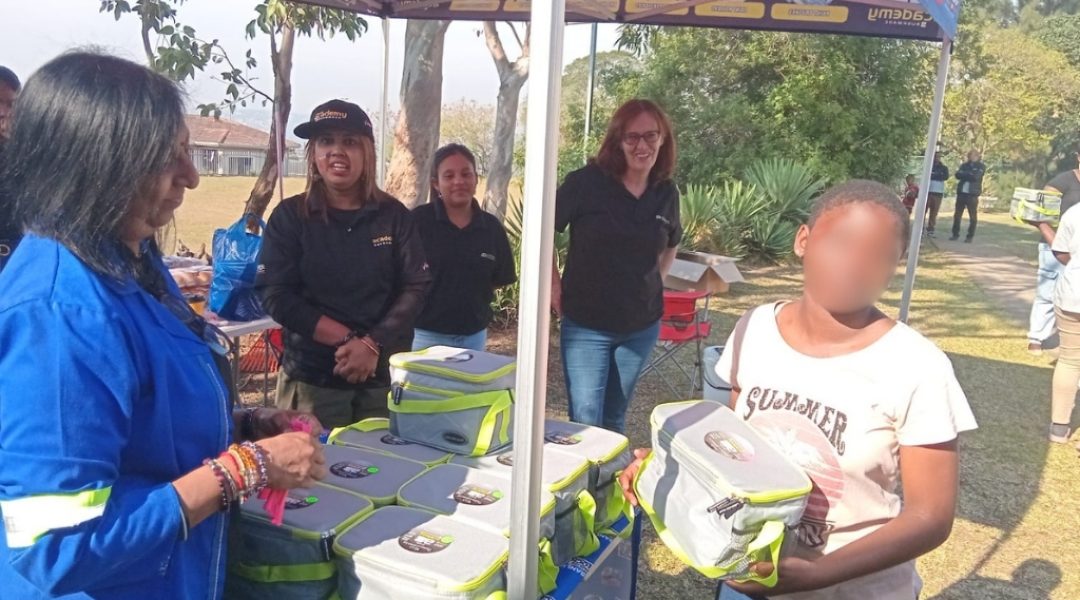
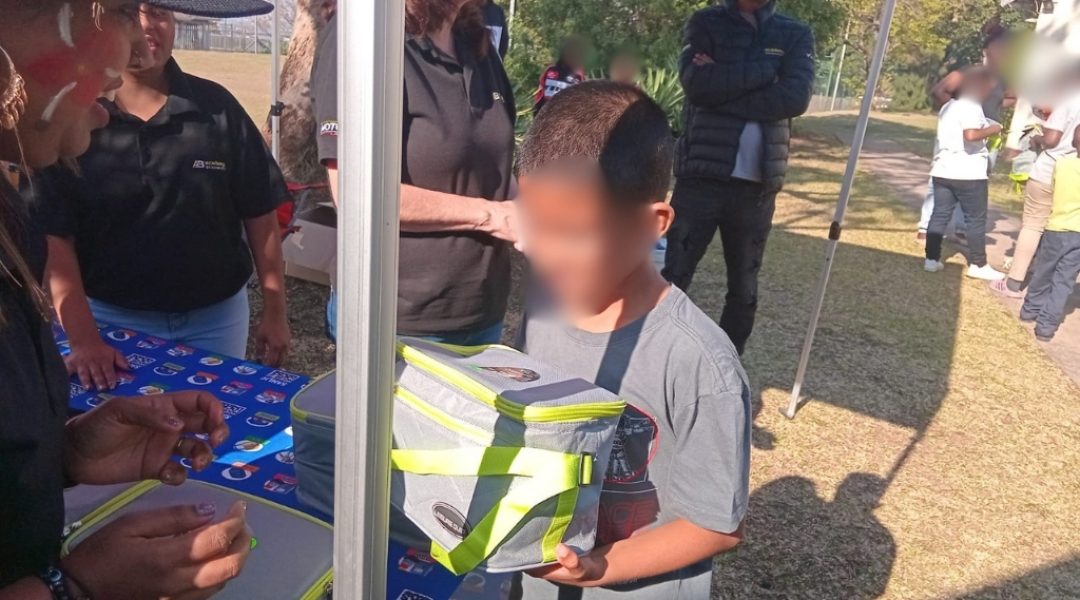
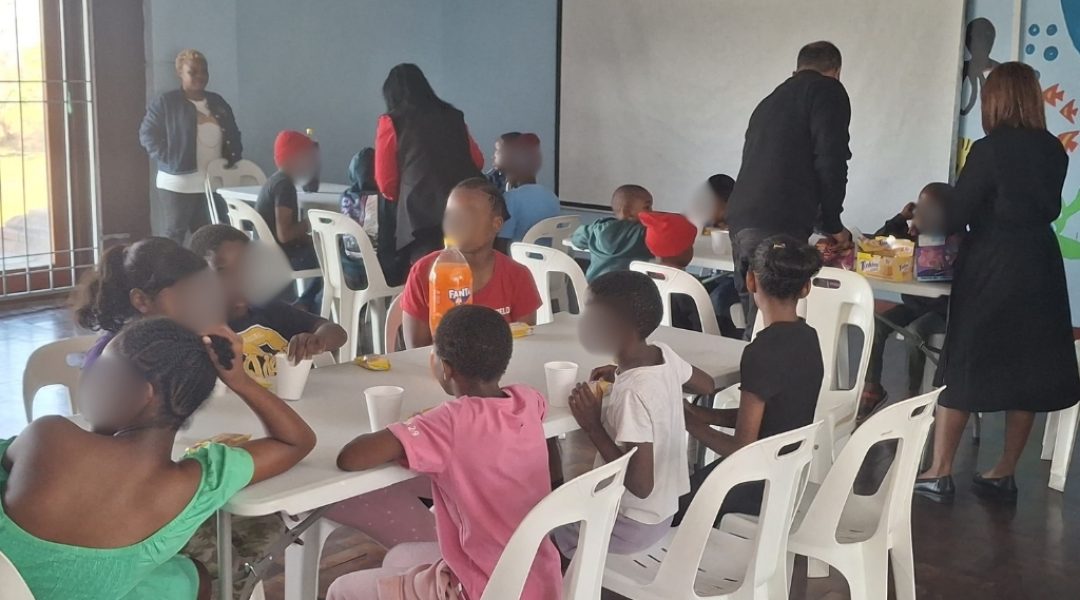
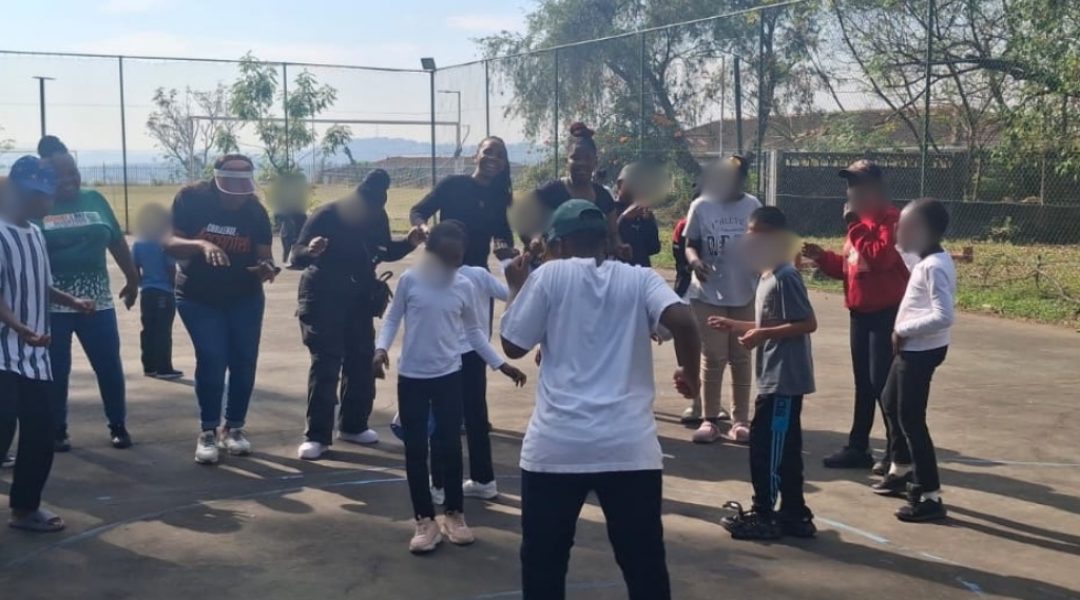
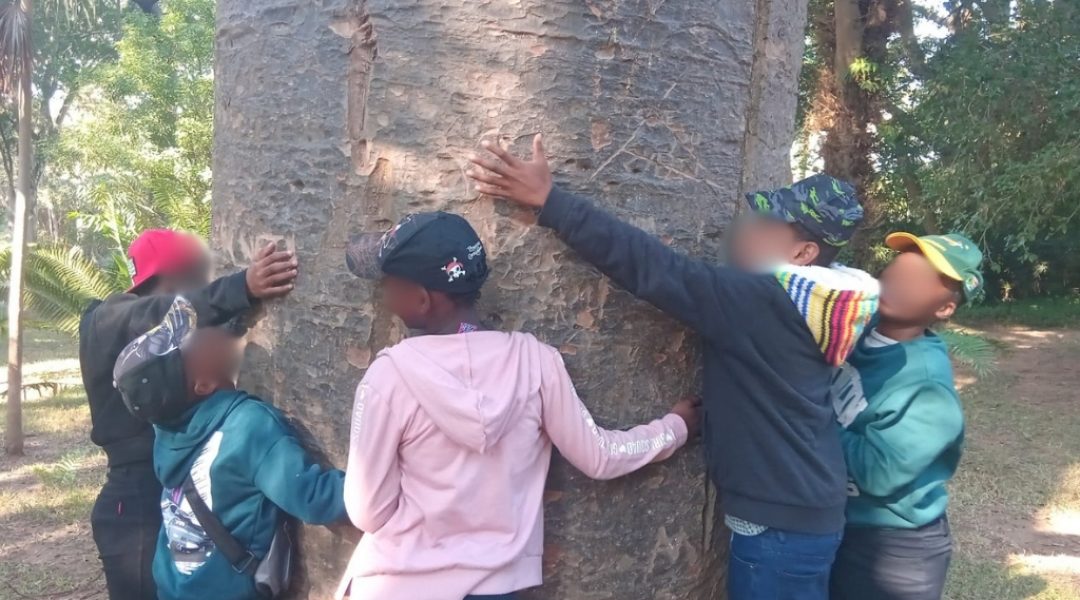
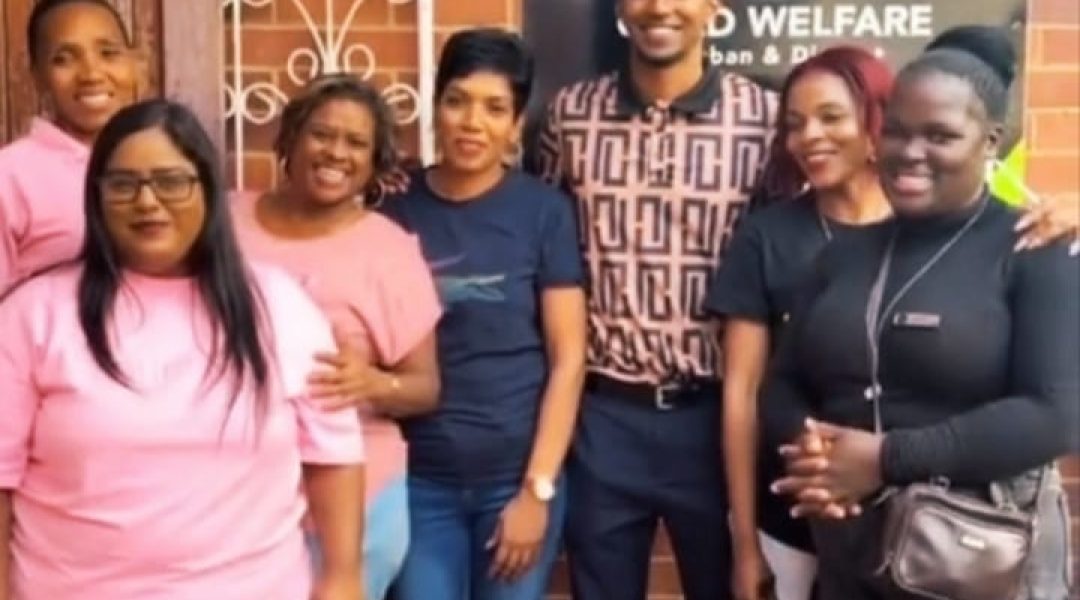
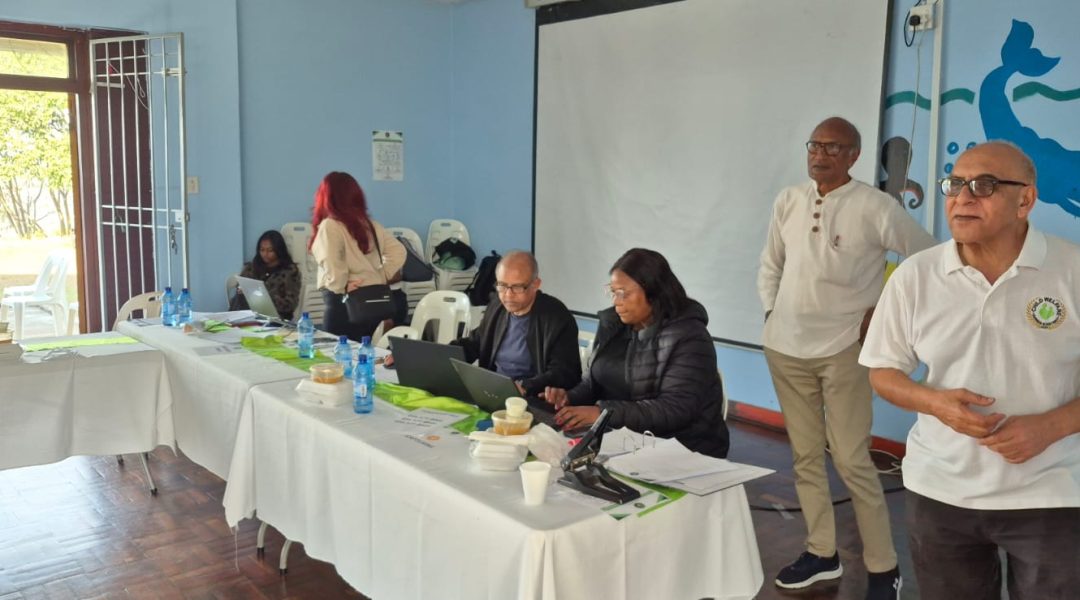
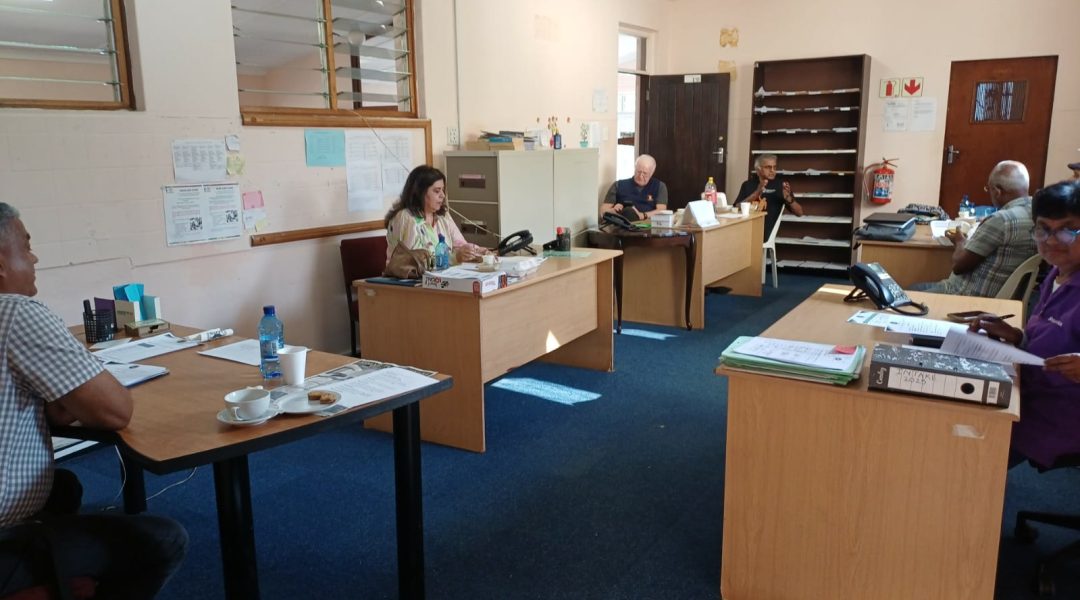
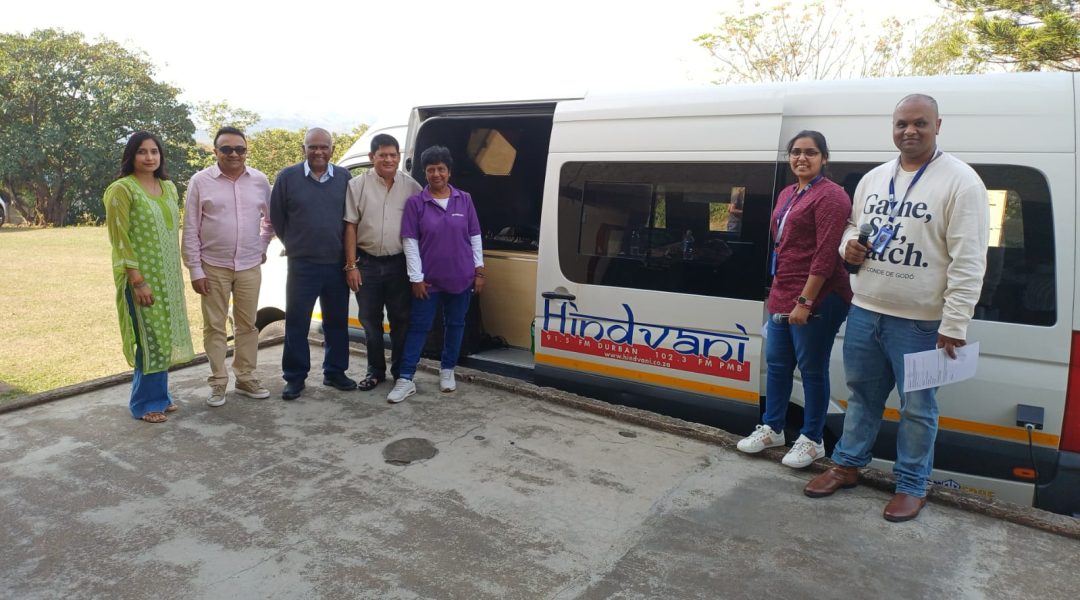
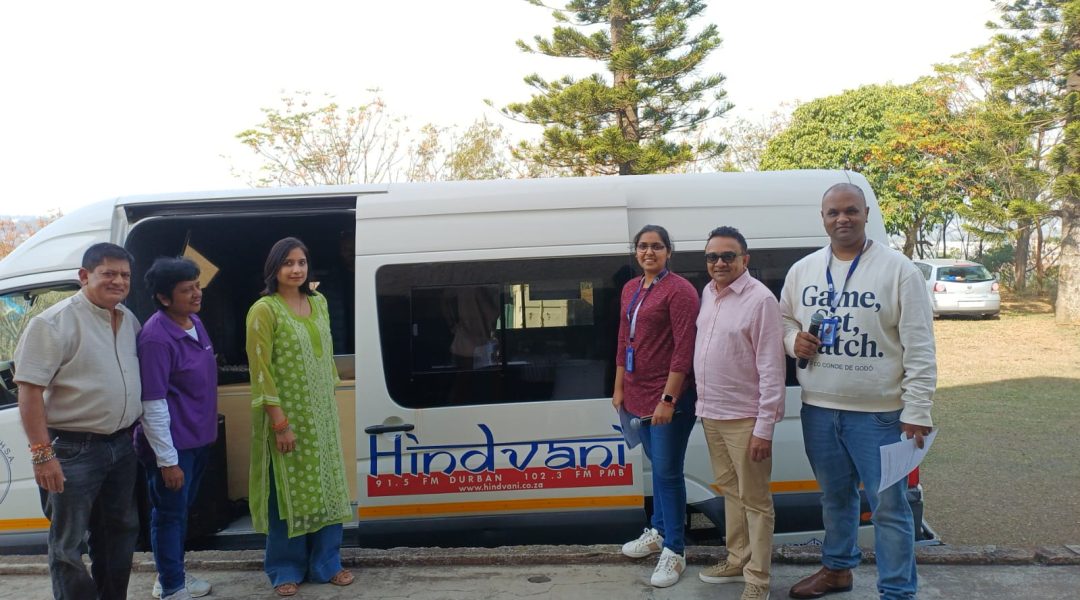
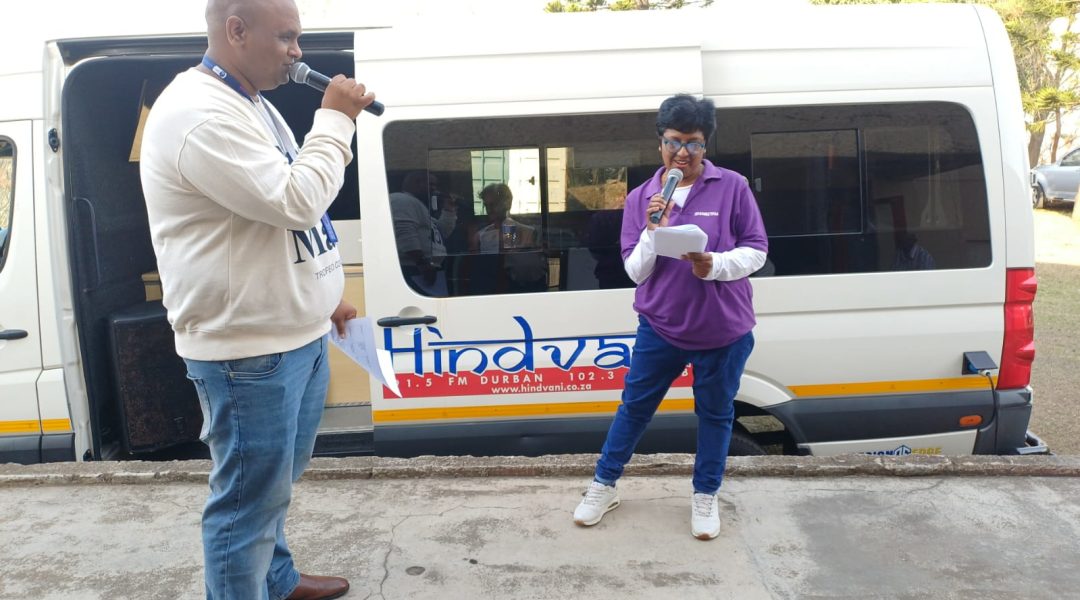
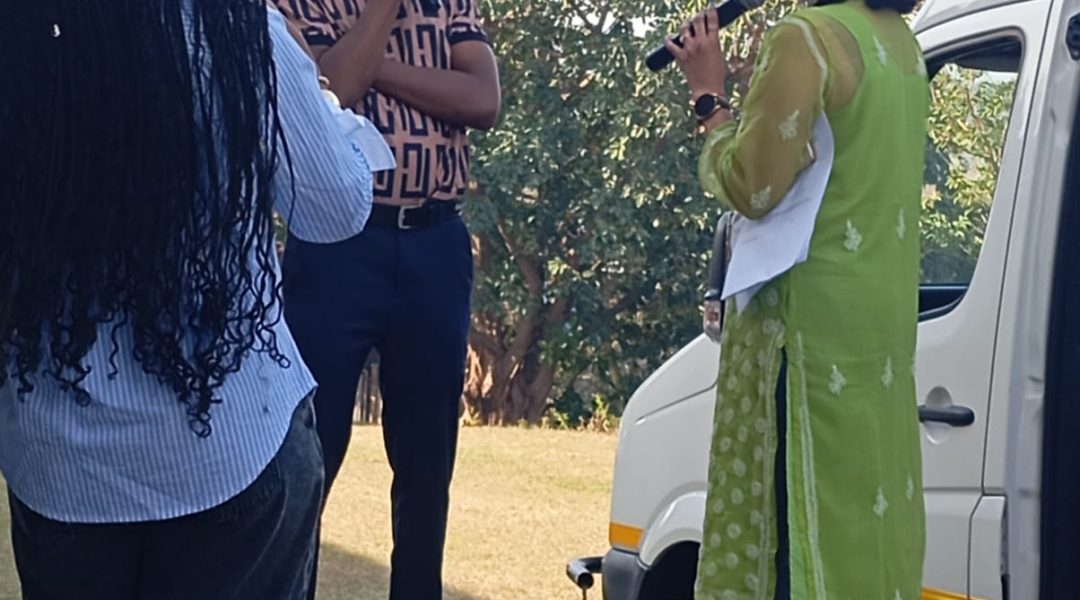
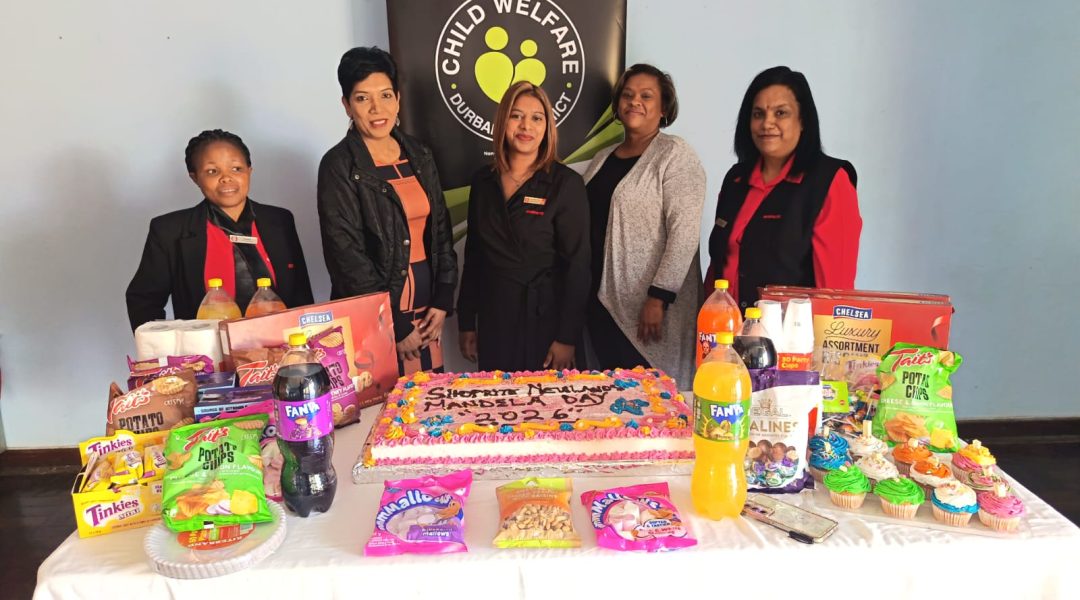
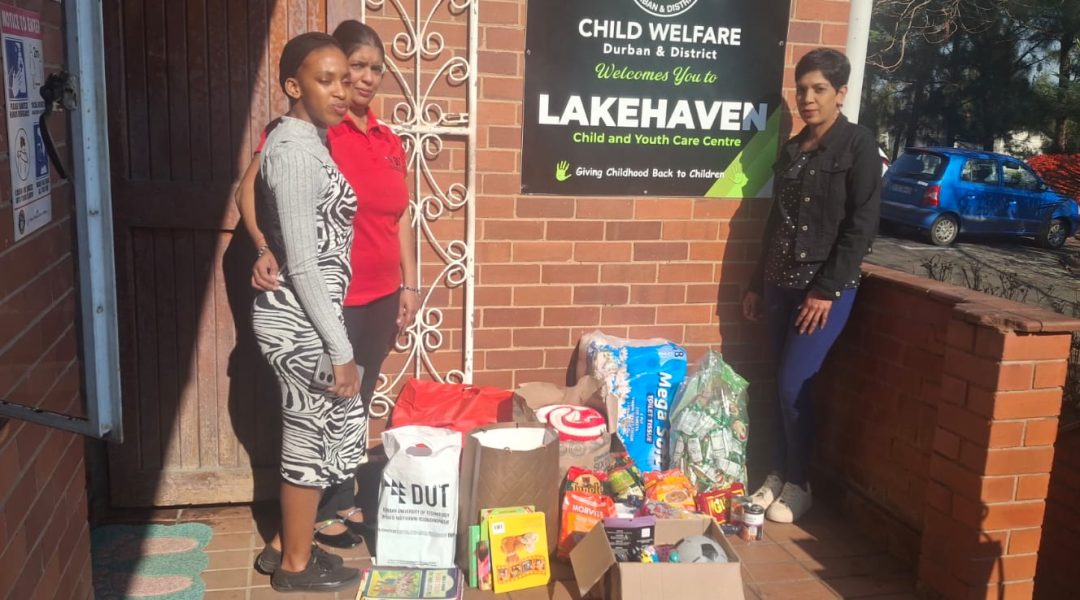
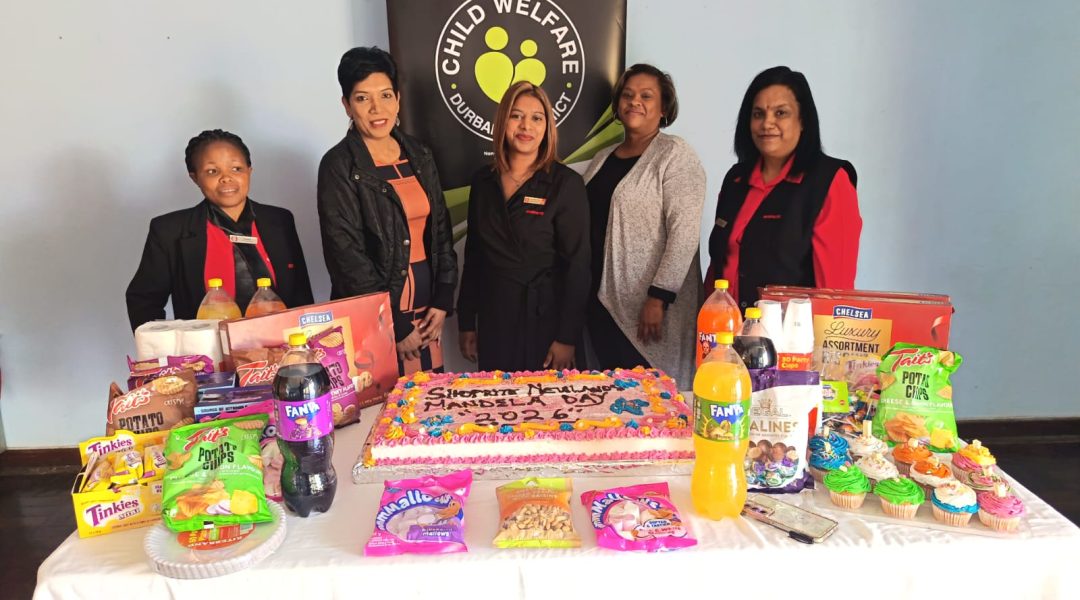
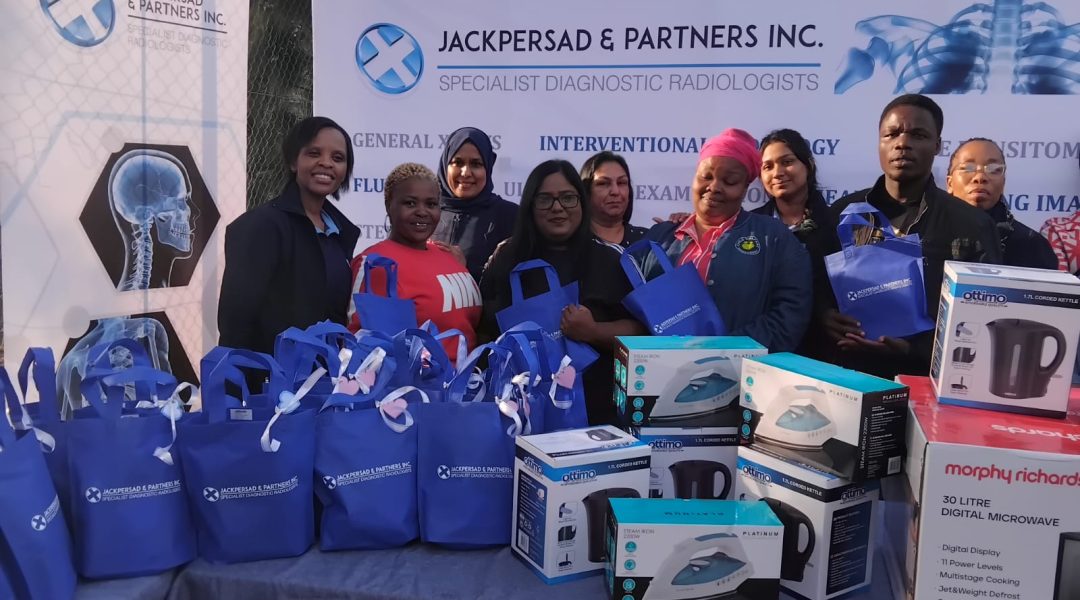
On Saturday, 18 July 2026, Child Welfare Durban & District hosted a Mandela Day Radiothon to raise funds for vulnerable children. The event was broadcast live on Hindvani radio (91.5 FM Durban and 102.3 FM PMB) from 11:00 AM to 04:00 PM.
Hosted directly from the Lakehaven Child and Youth Care Centre at 9 Centre Rd, Newlands East, the campaign encouraged the community to “Tune in, Call in, and make a difference!”. Listeners were able to pledge their financial support throughout the broadcast by calling the dedicated phone lines, sending a WhatsApp message, emailing the resource mobilisation team, or making direct electronic transfers to the organisation’s Standard Bank account.
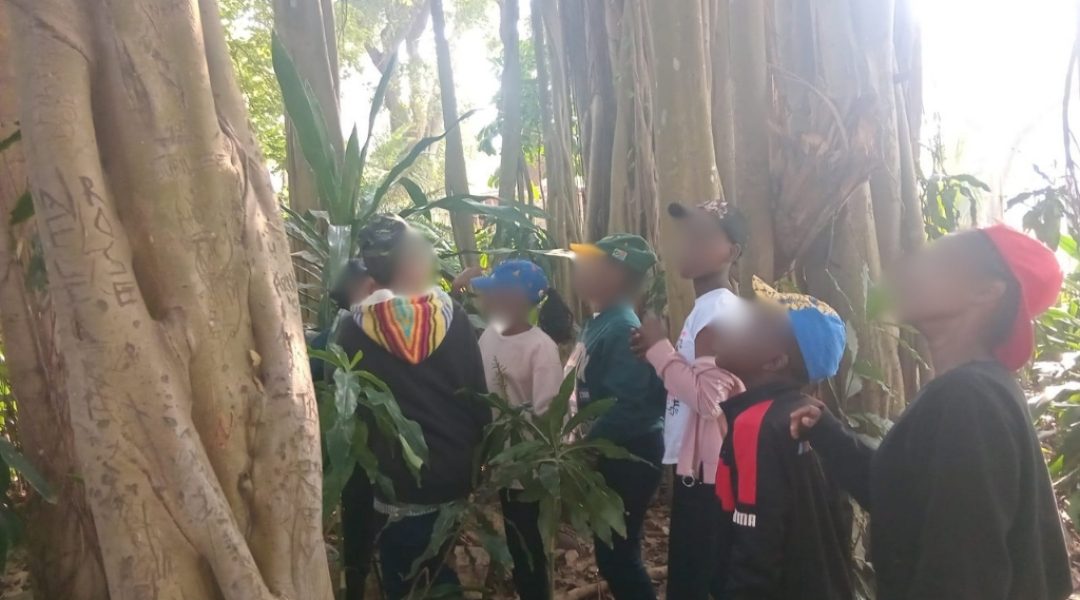
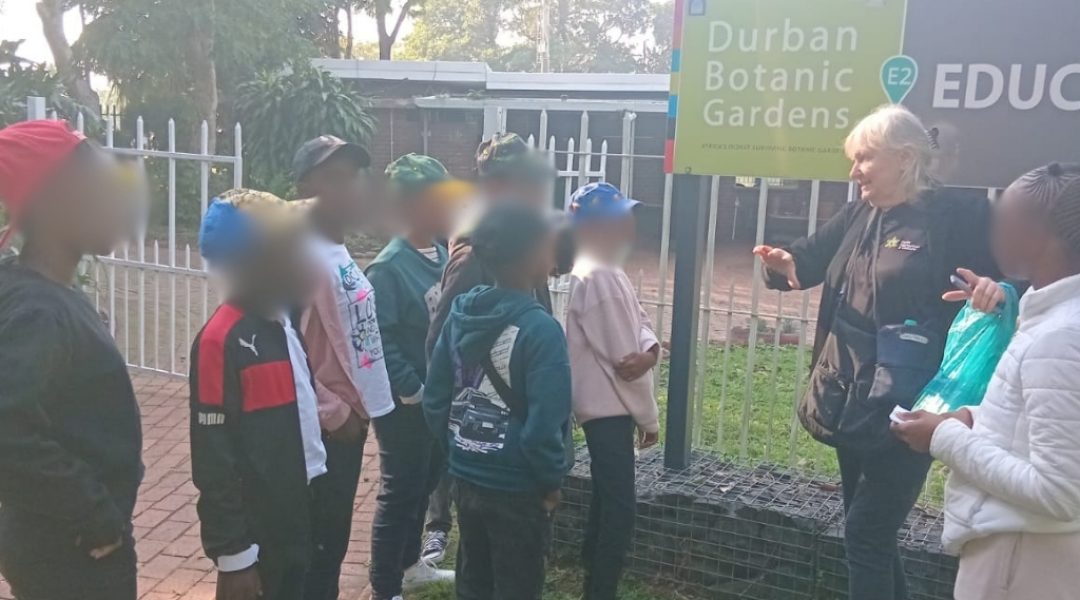
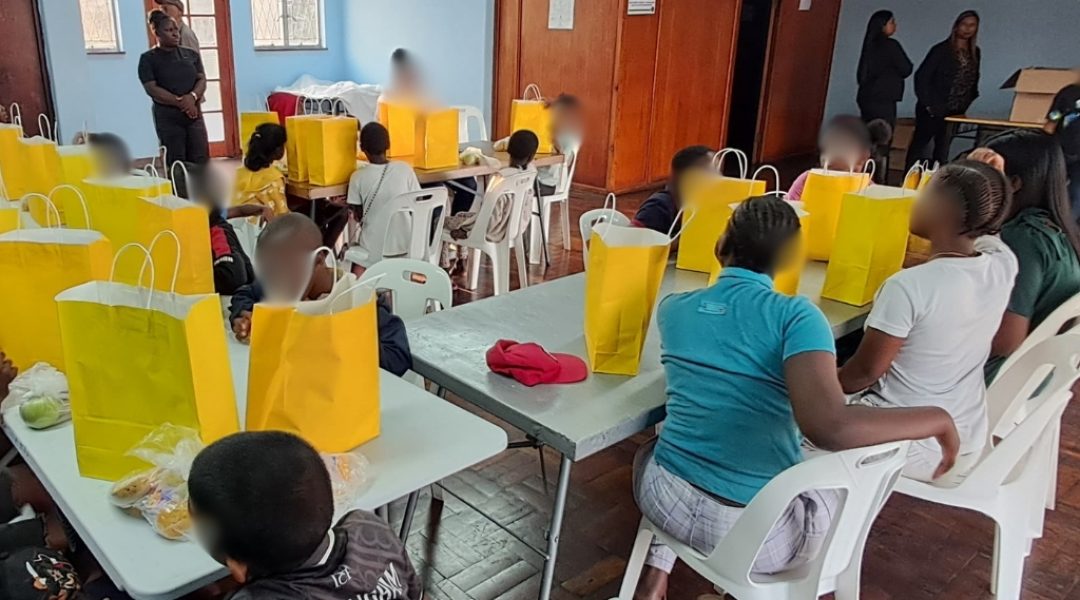
Barnyard Show 2026

A Spectacular Night Under the Big Top: Looking Back at Our Circus Rock Show
On Saturday, 21 February 2026, Child Welfare Durban & District hosted an unforgettable evening of entertainment with our “Big Top Rock” opening show. The highly anticipated Circus Rock Show brought our community together for a night of dazzling performances and iconic music, all in support of our mission to give childhood back to children.
Guests began arriving when doors opened at 17:30 PM, eagerly awaiting the main event which kicked off at 19:00 PM. Attendees were treated to a thrilling showcase of live circus acts, which featured breathtaking pole, silk, lyra, and trapeze performances.
These incredible physical feats were perfectly paired with a high-energy soundtrack celebrating the legendary music of Elvis, AC/DC, Def Leppard, Prince, and many more. We extend our heartfelt thanks to everyone who purchased the R 260.00 tickets to join us, as well as to Aishwarya Pillay for successfully managing the bookings and enquiries for this spectacular event.
Christmas 2025
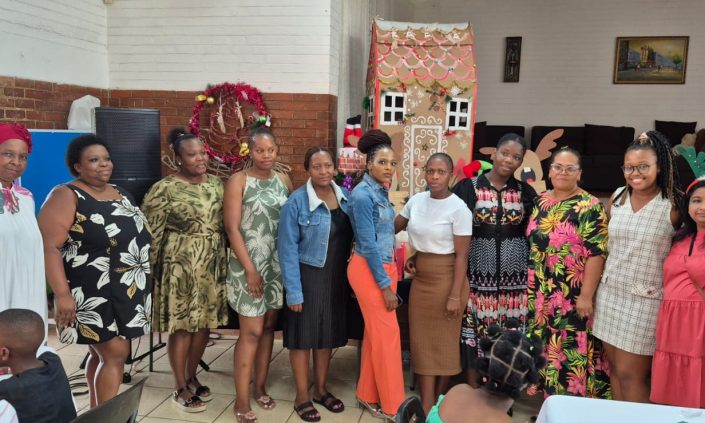
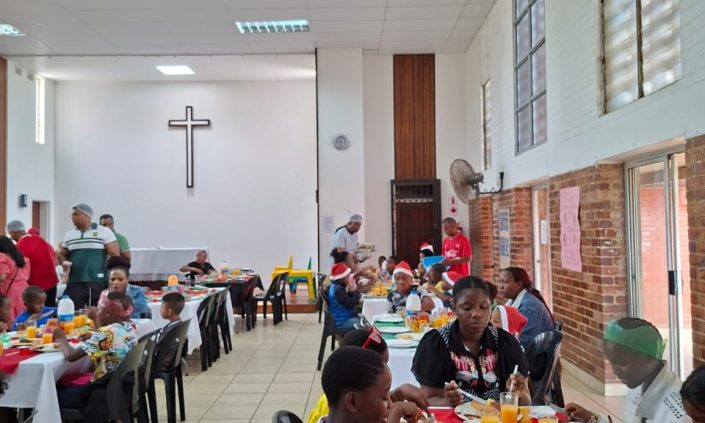
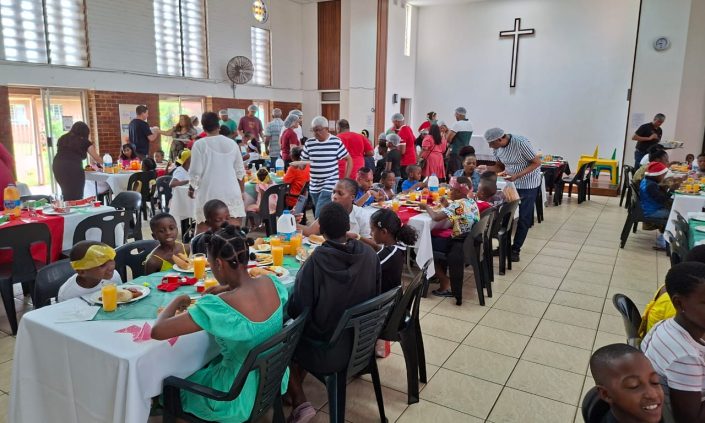
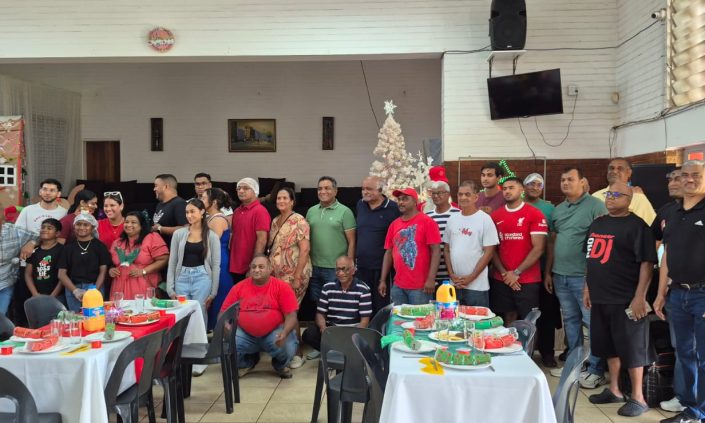
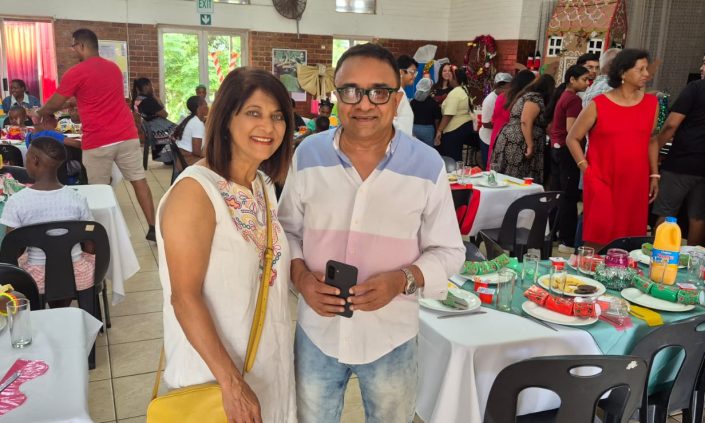
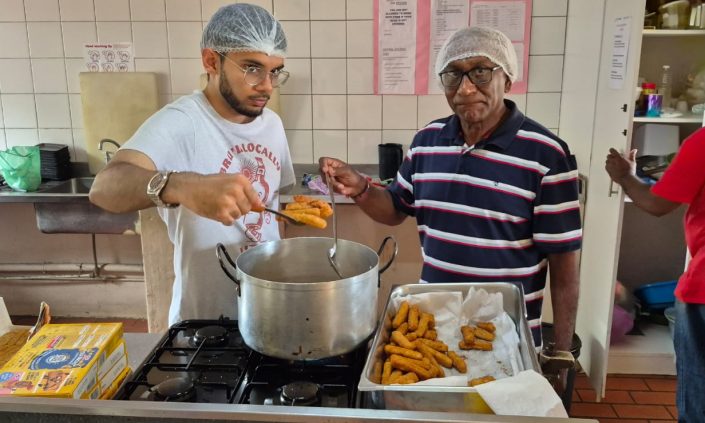
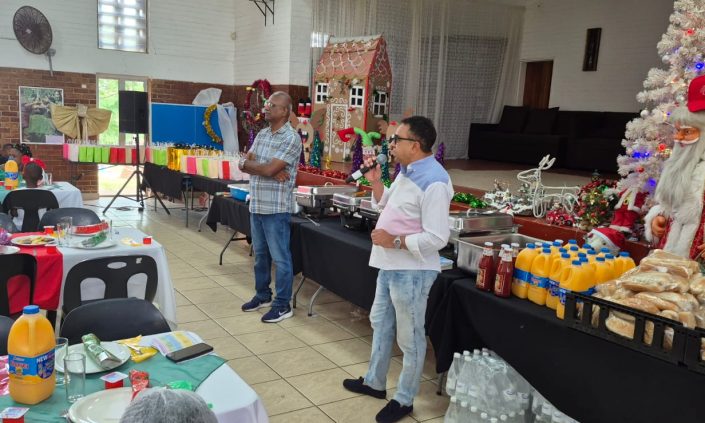
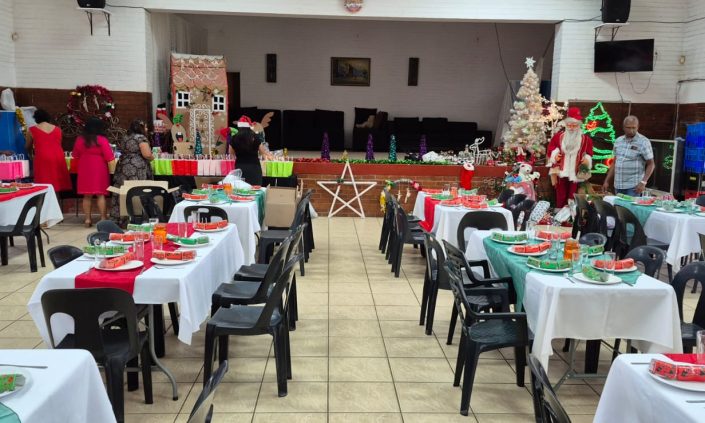
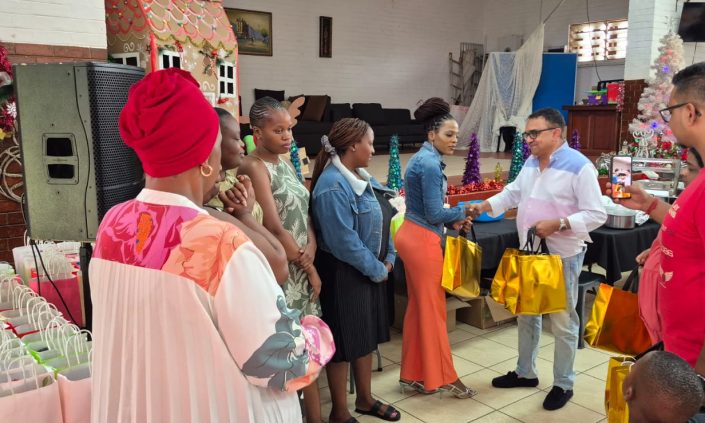
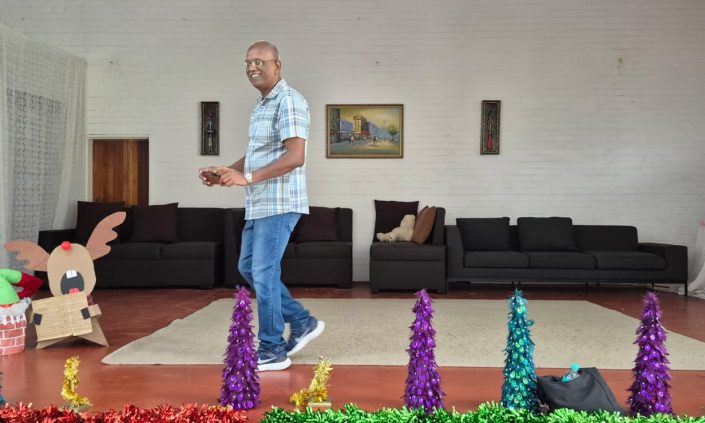
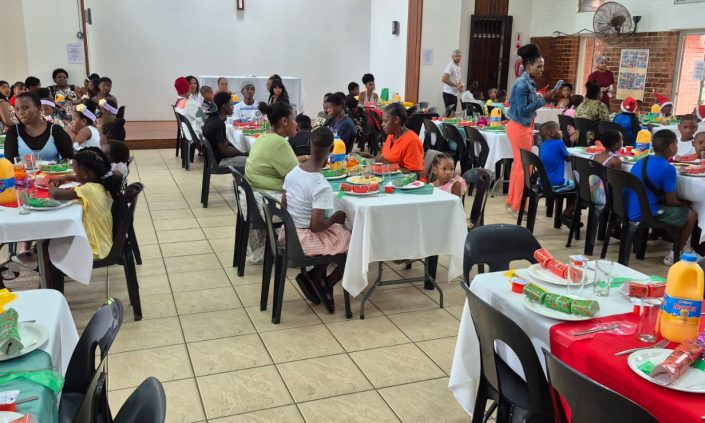
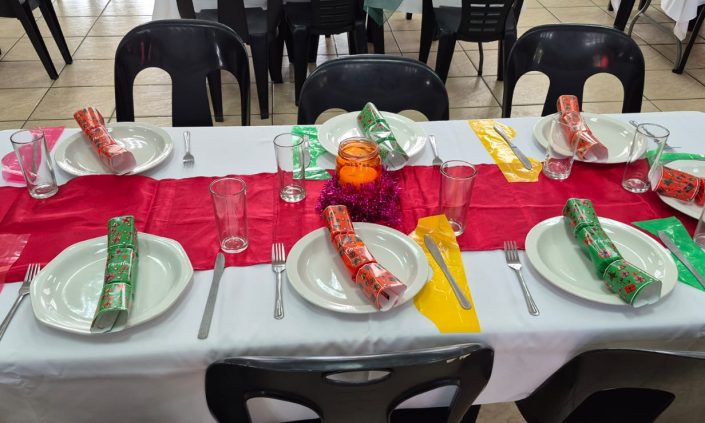
In December 2025, the Merebank Local Committee hosted a festive Christmas event for children in a decorated community hall. The venue was transformed for the holidays, featuring a white Christmas tree, a Santa Claus figure, and a handcrafted cardboard gingerbread house displayed on the stage. Volunteers dedicated their time to preparing hot food in the kitchen, while the main hall tables were set with red and green runners, glasses, and Christmas crackers.
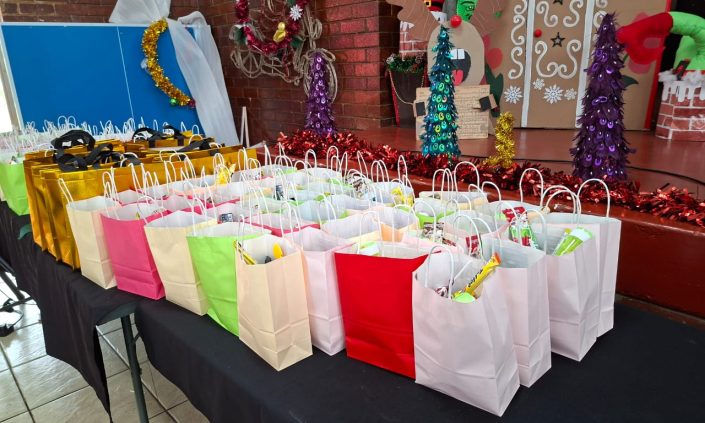
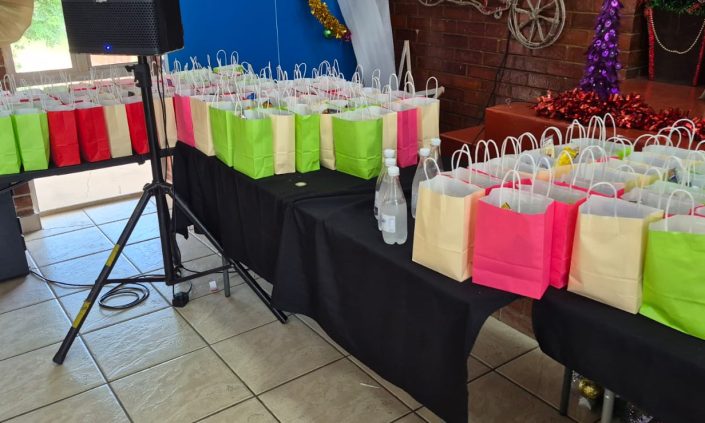
During the gathering, an organiser addressed the room to welcome the seated children and guests. Volunteers and staff then moved through the hall to serve the prepared meals and juice to all the attendees. The celebration concluded with the distribution of dozens of brightly coloured gift bags that were specially prepared and arranged near the stage.
GOLF DAY 2025
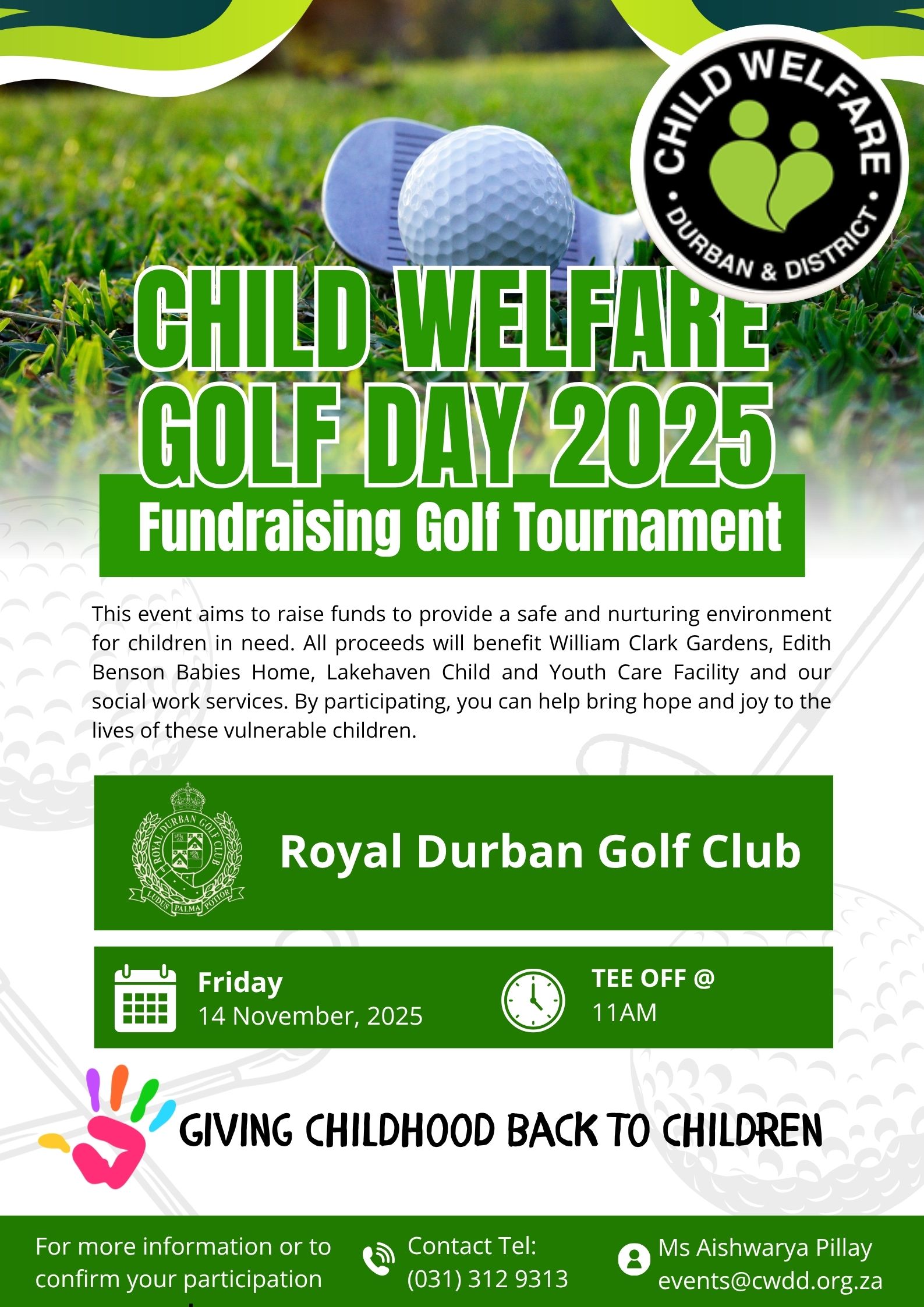
Child Welfare Durban & District successfully hosted its Golf Day 2025 fundraising golf tournament on Friday, 14 November 2025, with a tee-off time of 11:00 AM at the Royal Durban Golf Club.
The charity event aimed to raise funds to provide a safe and nurturing environment for children in need. All proceeds from the day went directly toward benefiting William Clark Gardens, Edith Benson Babies Home, Lakehaven Child and Youth Care Facility, and the organization’s frontline social work services, bringing hope and joy to the lives of vulnerable children.
ANNUAL GENERAL MEETING 2025
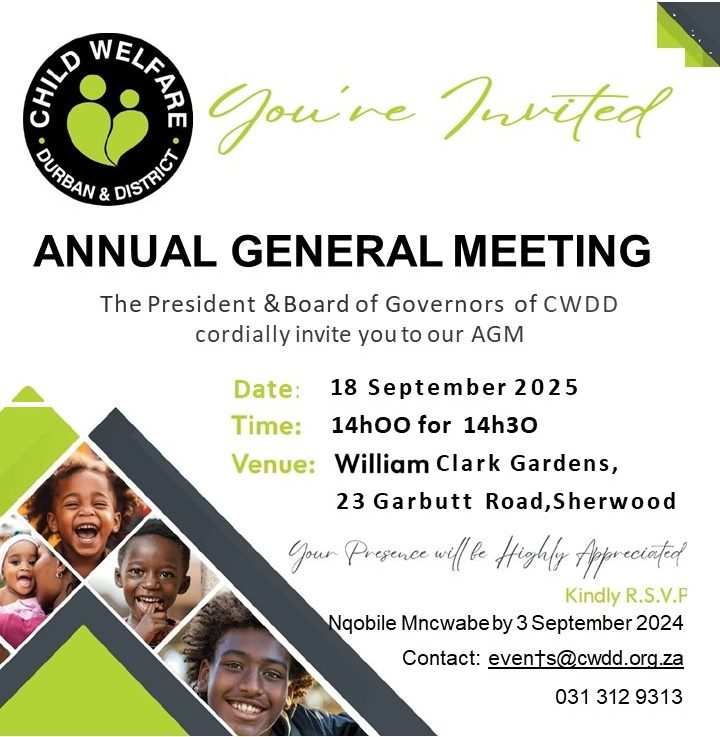
On Thursday, 18 September 2025, Child Welfare Durban & District successfully hosted its Annual General Meeting. The event commenced with arrivals at 14:00 PM and proceedings getting underway at 14:30 PM, held at the William Clark Gardens located at 23 Garbutt Road, Sherwood. Stakeholders, board members, and the community gathered to reflect on the organisation’s milestones, review operations, and celebrate another impactful year dedicated to giving childhood back to children.
ARTICLES BY PROF. DASARATH CHETTY
The Sex Offenders Register: why the rights of children are paramount
April 1 – 5, 2026
IN RESPONSE to the unyielding and painful wave of sexual violence against women, children and vulnerable groups, there has been a sustained outcry from civil society, political formations and the general public to allow open, free public access to the National Register for Sex Offenders.
To understand this angry public demand for the sex offenders register to be made public, one must first quantify the sheer scale of violence perpetrated against women, children and vulnerable groups in South Africa. The statistics paint a grim picture of a society where both domestic and public spaces are routinely sites of extreme, pervasive trauma.
Violent crime in South Africa
The first South African national gender-based violence study in 2024 survey found that an estimated 33,1% of all women in South Africa, aged 18 and older, have experienced physical or sexual violence in their lifetime. South Africa’s murder rate for the 2024/2025 financial year is estimated at 45,2 per
100,000 people.
On average, 27,000 people are murdered each year. This is roughly 959% higher than the average for G20 countries. In the 2023/2024 financial year, South Africa recorded approximately 42,500 reported rapes.
In 2022/23, 19,418 reported cases of common assault and assault with GBH crimes were committed against children, making up about 45% of all reported crimes against children in this period. Rape was the most reported crime against children, accounting for 38,3% of all cases involving minors.
Fifty-eight children are sexually abused every single day in the country, a figure that equates to 40% of the total reported sexual offences.
Experiencing physical, sexual, or emotional violence as a child is a major reason why trauma gets passed down through families. Specifically, children who go through this kind of abuse are much more likely to face serious challenges as adults, including:
- Relationship violence: a much higher chance of either becoming an abuser or a victim of domestic violence later in life.
- Health and addiction: a severe risk of developing lasting mental health struggles, chronic physical illnesses, and drug or alcohol addictions.
- Life struggles: a much harder time succeeding in school, building a career, and achieving financial stability because of the heavy burden of these trauma-related issues.
Reason for the register
The primary function of the Sexual Offences Register is to maintain a record of individuals convicted of sexual offences against children, and physically, mentally, and sensory-disabled persons, ensuring these individuals are legally barred from employment or volunteer positions that would grant them access to vulnerable groups.
Presently, the public is not allowed to see the register. Only certain employers and official agencies can check it, and they have to pay for an official background check to do so. This is very different from many other countries, where anyone can look up sex offender records, and communities are actively warned about them.
Arguments for open access
The epidemic of gender-based violence and femicide (GBVF) is a crisis of such magnitude that the state has formally recognised it as a national disaster. In a state where the criminal justice system routinely fails to protect the innocent, the rights of children and the vulnerable must seamlessly supersede the privacy rights of convicted predators. It is asserted that a government perceived as chronically “soft on crime” has a moral imperative to arm its citizens with the information necessary to protect their own households.
The rate of reoffending
South Africa’s reoffending rate is estimated to be between 80% and 97%, placing it among the countries with the highest crime and recidivism rates globally. In simple terms, nine out of every 10 offenders commit crimes again.
This perpetual cycle of release and rearrest is largely driven by deeply entrenched socio-economic factors.
Overcrowded correctional facilities, a lack of adequately staffed needs-based rehabilitation programmes, severe shortages of psychologists and social workers (with vacancy rates historically exceeding 50%), and the insurmountable able barriers ex-offenders face when attempting to secure employment in a highly strained economy, all contribute to this phenomenon.
A public register is essentially demanded as a civilian safeguard against a state apparatus that is widely perceived as dysfunctional, corrupt and ultimately incapable of securing convictions or protecting the innocent.
Investigative paralysis
This perception of a “soft on crime” state is not merely an expression of public hysteria; it is rooted in documented administrative failures.
In 2024, an explosive parliamentary reply by the then-minister of police revealed that over 5,4 million case dockets had been summarily closed without resolution since the 2018/2019 financial year. These closures were attributed to insufficient evidence, a lack of investigative leads, and poor police detective work, meaning millions of perpetrators of violent crimes were effectively granted total impunity.
The right to know
Citizens argue that transparency is a critical tool for primary prevention, rather than a mechanism for secondary punishment.
By making the register public, parents, guardians and community leaders can conduct immediate, independent background checks on individuals who routinely interact with their children – such as neighbours, private tutors, sports coaches, or the parents of their children’s friends. In this balancing exercise, the offender’s right to privacy, guaranteed under Section 14 of the Constitution, is viewed as subordinate.
While the right to privacy is fundamental, it is not absolute. The limitation clause located in Section 36 of the Constitution allows for rights to be limited if the limitation is reasonable and justifiable in an open and democratic society based on human dignity, equality and freedom.
The rights of predators or the rights of children?
Section 28(2) of the Constitution of the Republic of South Africa mandates that “a child’s best interests are of paramount importance in every matter concerning the child”.
This paramountcy principle is not merely an aspirational ideal. It is a binding legal directive that demands a proactive, maximally protective stance against known threats to children.
Sacrificing the privacy of a convicted predator to guarantee the physical, psychological, and sexual safety of a child meets the criteria of Section 36. The state routinely limits privacy for lesser reasons, such as warrantless searches under Section 22 of the Criminal Procedure Act, and therefore must be willing to limit privacy to prevent the rape of minors.
Legal scholars warn that publicising the registry violates constitutional privacy protections, severely undermines the rehabilitative objectives of the correctional system, and, most alarmingly, in a society deeply scarred by systemic extrajudicial violence, risks inciting deadly mob justice and vigilantism. However, are the rights of a child not paramount?
Chetty is the president of the
International Sociological Association’s
research committee on participation,
organisational democracy and
self-management. He is a visiting
professor at the Centre for the Study
of Childhoods and Societies at the
University of Wuppertal, Germany.
A legacy of conscience and community: the historic journey of the
Durban indian Child Welfare Society
The Durban Indian Child and Family Welfare Society was a community-led initiative born out of adversity, and it reshaped child welfare in SA through resilience and innovation, writes Professor Dasarath Chetty in Part 1, which reflects on the first 50 years of the society. He says that at a time of increasing gender based violence, child welfare societies assume increasing importance
September 17 – 21, 2025
The provided article, written by Prof. Dasarath Chetty, outlines the history and significance of the Durban Indian Child and Family Welfare Society (DICFWS), which was established in 1927. The author frames the organisation’s work through Nelson Mandela’s assertion that a society’s soul is revealed by how it treats its children.
According to the article, the DICFWS was more than a charitable organisation; it was a “direct and powerful response” to an oppressive state that neglected children of colour. The society adopted a “holistic conception of welfare,” recognising that a child’s well-being is connected to the health of their family, community, and political environment. The author states that the formation of the DICFWS was an act of political defiance, as the Indian community built its own institutional welfare system in contrast to the state’s “residual” approach for non-whites.
The society was born out of the poverty and social crises resulting from the legacy of indenture and subsequent oppressive state legislation. It was formally established on July 23, 1927, under the patronage of Srinivasa Sastri, with Mrs S Moodaly as its first chairperson. The organisation’s early years were shaped by the leadership of Gadija and advocate Albert Christopher.
The DICFWS’s influence grew as it became a trusted intermediary for administering state maintenance grants. In 1948, it adopted a democratic “local committee system,” which created a grassroots network of volunteers to supervise maintenance grant cases and eventually function as hubs for community development. The author notes that by 1967, 46 committees were supervising over 4,000 families.
A significant milestone occurred in 1959 with the opening of Lakehaven Children’s Home in Sea Cow Lake. This represented a shift from non-residential support to full-time institutional care, prompting the professionalisation of the society. The article highlights that Lakehaven pioneered a nurturing residential system that rejected the impersonal dormitory style of the era.
In conclusion, Prof. Chetty states that the society’s history is characterised by pioneering interventions, filling service gaps left by the state, and undertaking social action to tackle the root causes of social ills. He characterises the organisation’s legacy as a story of “selfless service,” “participative democracy,” and a community “revealing its soul.”
Click the link below to view the full article
Understanding femicide: a silent war against women’s lives
Prof. Dasarath Chetty is the president of Child Welfare Durban and District, chairperson of Child Welfare South Africa (KZN) and a visiting professor at the Centre for the Study of Societies and Childhoods at the University of Wuppertal, Germany
April 22 – 26, 2026
Femicide, the intentional killing of women and girls due to their gender, represents a “silent war” rooted in power, control, and systemic inequality. Rather than isolated acts of passion, femicide is typically the fatal culmination of ongoing gender-based violence (GBV) driven by patriarchal power dynamics where men are socialized for dominance. This violence often peaks when a woman asserts her autonomy or attempts to leave an abusive relationship.
In South Africa, which has some of the highest femicide rates globally, these issues are compounded by extreme economic inequality and a legacy of intergenerational trauma from apartheid. High substance abuse and firearm accessibility further escalate volatile situations. While the government has implemented the National Strategic Plan (NSP) on GBVF (2020–2030) and established Thuthuzela Care Centres to improve conviction rates and support victims, policy has not yet translated to widespread safety.
Prof. Chetty highlights that international examples offer blueprints for success. Initiatives like women-only police stations in India have increased GBV reporting, while cash transfer programs in Tanzania and South America reduce household stress and enable women to leave abusive environments. In Kenya, youth education on consent and toxic masculinity has successfully lowered assault rates. Countries with the lowest femicide rates, such as Singapore and Japan, benefit from social stability, strong governance, and high female workforce participation.
The article concludes that femicide is a societal failure, not an inevitable condition. Ending it requires enforcing laws, empowering women economically, and engaging men and boys to challenge patriarchal norms and break the cycle of violence.
Click the link below to view the full article
Understanding femicide: a silent war against women’s lives
Prof. Dasarath Chetty is a sociologist and visiting professor at universities in Germany, India and Malaysia
October 1 – 5, 2025
The provided article by Prof. Dasarath Chetty explores the global and local debates surrounding statues and monuments that honor figures from the colonial and apartheid eras. The author explains that these conflicts are not about erasing history, but rather represent a modern-day reckoning with the persistent legacies of colonialism and the ongoing struggle for “decoloniality”—the effort to dismantle colonial mindsets and global economic and racial hierarchies.
The text outlines how colonialism was a systematic assault on the identity and humanity of colonized people through “epistemicide” (the destruction of indigenous knowledge systems), “culturecide and linguicide” (the destruction of native cultures and languages), and cultural forms of genocide. Within this framework, Prof. Chetty argues that public statues are never neutral historical markers. Instead, they glorify oppressors, falsify history as political propaganda, and inflict ongoing psychological harm on the descendants of the colonized by normalizing racial supremacy in public spaces.
While preservationists argue that removing statues amounts to erasing history or destroying heritage, proponents of removal view these monuments as sanitizing lies that distort the public record. Movements like #RhodesMustFall demonstrate that the fight over monuments is a symbolic entry point into a broader conversation about the unfinished business of liberation, including the decolonization of education and public memory.
Click the link below to view the full article