
Residential Care
CWDD provides specialised residential care through two registered Child and Youth Care Centres


Safe. Therapeutic. Nurturing.
Child Welfare Durban & District (CWDD) provides specialised residential care for children who cannot safely remain in their family homes. Our residential facilities offer structured, therapeutic, and child-centred environments that promote healing, growth, and long-term well-being.
All placements are made through Children’s Court Orders and are fully compliant with the Children’s Act No. 38 of 2005 and Department of Social Development norms and standards.
Our Residential Centres
At CWDD, every child deserves a safe, nurturing, and hopeful future. Our residential care centres work tirelessly to ensure that children are not only protected today but also empowered to face the future with confidence and independence.
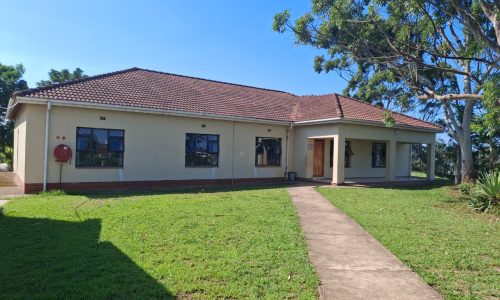
William Clark Gardens / Othandweni Child and Youth Care Centre
Location: 23 Garbutt Road, Sherwood
Capacity: 54 children (birth to 18 years)
William Clark Gardens / Othandweni provides care for children who have been abused, orphaned, abandoned, neglected, or affected/infected by HIV/AIDS.
Key Programmes and Support:
Education & Development: Early Childhood Development (ECD) programmes for toddlers, structured homework support, tutoring, and psycho-educational assessments.
Health & Well-being: Partnerships with hospitals and clinics for medical and developmental care.
Spiritual & Cultural Growth: Weekly programmes facilitated by Child and Youth Care Workers and faith-based organisations.
Recreation & Social Activities: Indoor and outdoor activities, holiday outings, sporting events, and calendar celebrations.
Family Reunification & Sibling Programmes: Support for safe reintegration and maintaining family bonds.
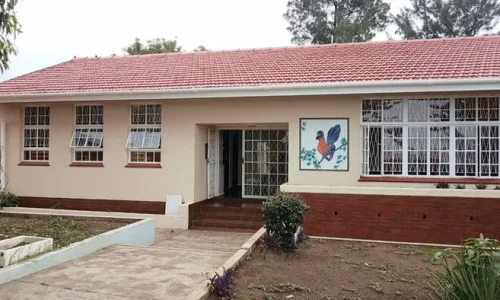
Lakehaven Child and Youth Care Centre
Location: Sea Cow Lake
Established: 1958
Lakehaven is a therapeutic residential facility for children under 21 who have experienced abuse, neglect, abandonment, or trauma.
Holistic Child Development at Lakehaven:
Individual Development Plans (IDPs): Tailored support to meet each child’s emotional, social, academic, and personal needs.
Therapeutic Programmes: Individual and group counselling, referrals to specialised organisations, life skills, and educational support.
Education Support: Children attend local schools, with homework assistance and tutoring, while educational psychologists provide assessments for additional support.
Cultural & Spiritual Growth: Encouraging children to embrace identity, traditions, and spiritual practices.
Family Reunification: Coordinated work with families to safely reintegrate children where possible.
Both centres prioritise creating safe, nurturing, and structured environments where children can heal, thrive, and develop resilience for adulthood.
Why Residential Care Matters
Residential care provides more than a roof and meals — it offers
: